An Interview with the Outgoing President of the International Psychoanalytical Association
Reflections on Leadership, Legacy, and the Future of Psychoanalysis
Harriet Wolfe was elected as the 26th IPA President in 2021. During her presidency, she has led the IPA through one of its most challenging periods and overseen a number of significant developments that will leave a lasting legacy on both the IPA and the profession of psychoanalysis. At the IPA’s 54th Congress, taking place in Lisbon in July 2025, Harriet will officially handover the role of President to Heribert Blass. Here, she shares her thoughts about her time in office and her expectations for this year’s Congress.
Harriet will be at the IPA Congress in Lisbon from the 30th July until the 2nd August. If you haven’t already registered to attend, you can find out more information and book your place here. Registrations will close in late July.
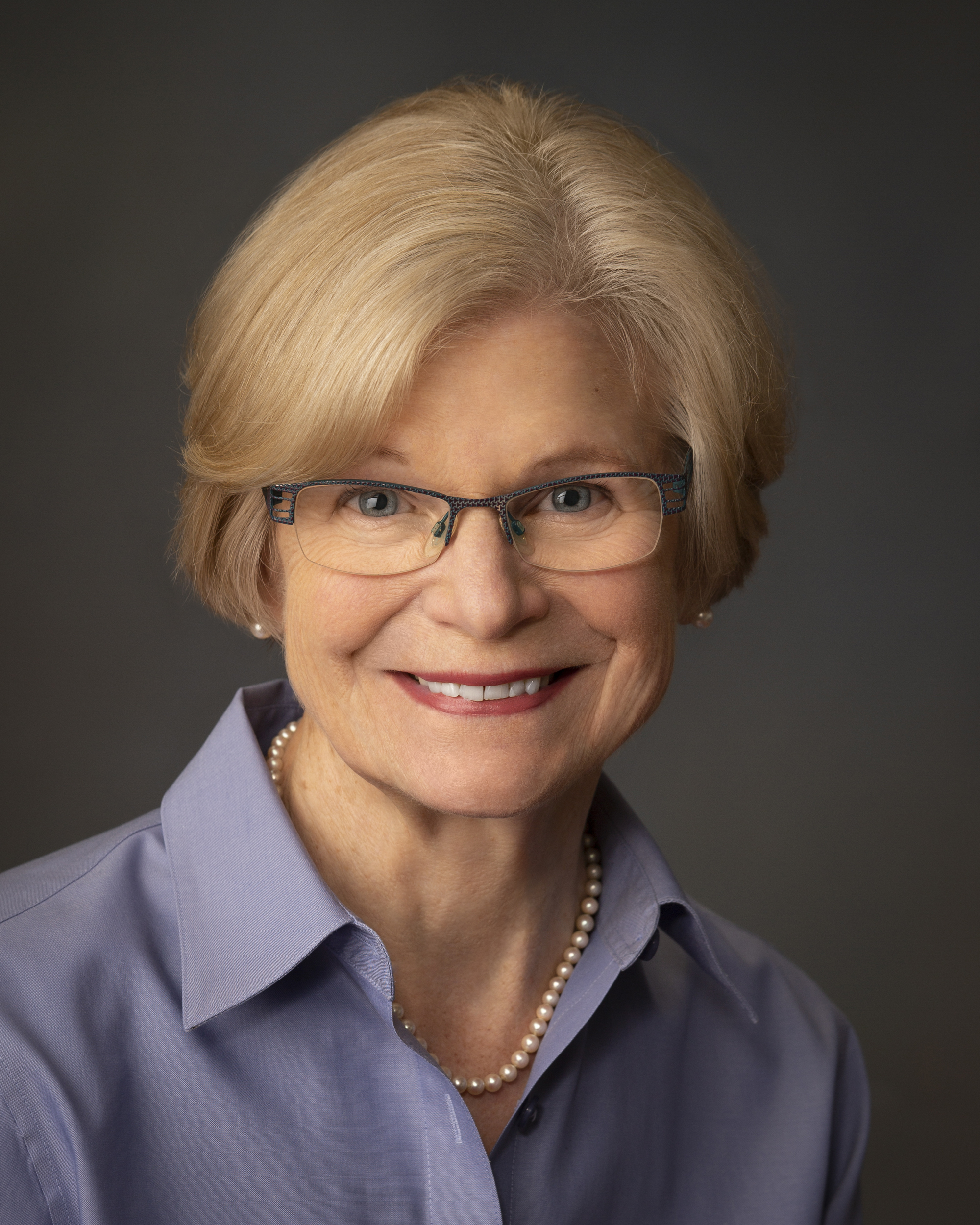
How big of an honour has it been to serve as IPA President, a role that has previously been undertaken by such preeminent analysts as Abraham, Ferenczi, Jones, and Eitingon to name a few?
It has been a huge honour for me to serve as IPA President. Presidents in the distant and more recent past have been scholars, theorists, and clinical analysts willing to take on a volunteer organisational role that I suspect was always both inspiring and stressful. I think of names like Abraham, Ferenczi, Eitingon, Etchegoyen, and Wallerstein. I was especially fortunate to have the first woman President of the IPA, Virginia Ungar, come before me and break the glass ceiling. The role of President is inspiring because of the immense amount of deeply thoughtful work that committees and staff of the IPA do to serve IPA members and the profession, and the personal privilege of forming relationships with analytic thinkers around the globe. The role becomes stressful when the long history of conflict internal to the IPA reemerges related to matters that analysts are passionate about: the nature of analytic training and the mission of the IPA; or external demands emerge that conflict with the structure or mission of the IPA.
Looking back over your term as president, what moments stand out most vividly for you?
The moments that stand out most vividly for me are the generous responses on the part of IPA members to colleagues in distress. They occurred, for example, after the Russian invasion of Ukraine, when members donated money to help fellow members displaced by war and they donated time to consult with mental health workers in the field and IPA members who requested help. This sort of generosity occurred also directly after the Hamas invasion of Israel. As the conflict continued, members worked to defend the safety and rights of Palestinian members as well, most of whom were outside Israel but who identified with those under siege within Gaza and the West Bank. While deep divisions occurred, members’ empathy for human suffering on both sides of the conflict endured.
During the pandemic each of the regions adapted to members’ inability to meet with patients or conduct training in person. After the pandemic, analysts in all the IPA regions had to reassess their professional use of phone and internet. The IPA Board faced the task of revising the Procedural Code on Training based on four years of Task Force work as well as conversations with members. Although members differed in their support for technology-mediated analytic training and struggled with the idea of revised training standards, I witnessed the potential for respectful dialogue to address intractable conflict related to training standards. Particularly small group dialogue revealed that psychoanalysts share much in common, even as they hold meaningful differences.
For example, in early April 2025 the IPA Board met with Presidents of European IPA Societies and the EPF Executive in Dresden after the EPF meeting there. The purpose of the IPA Board was to explore the concerns expressed by EU Society Presidents about the revision of the Procedural Code voted on by the IPA Board in July 2024. Although the revision highlighted the fact that in-person training is the IPA primary reference standard, the introduction of teletraining within certain bounds and for certain purposes was seen as a threat to the integrity of the analytic method. The small group discussions between interregional IPA Board members and European analysts in Dresden, followed by large group discussion, revealed a heterogeneity of approach in all the regions and an experience of cross-regional expertise that allowed a final comment by a member of the EPF Executive to a Latin American member of the Board: “You are an analyst too!!” The humour in his tone supported the earnestness of the realisation. He expressed respect for someone who was from an unknown area and unfamiliar background who clearly shared the depth of clinical and theoretical understanding that the European colleague valued.
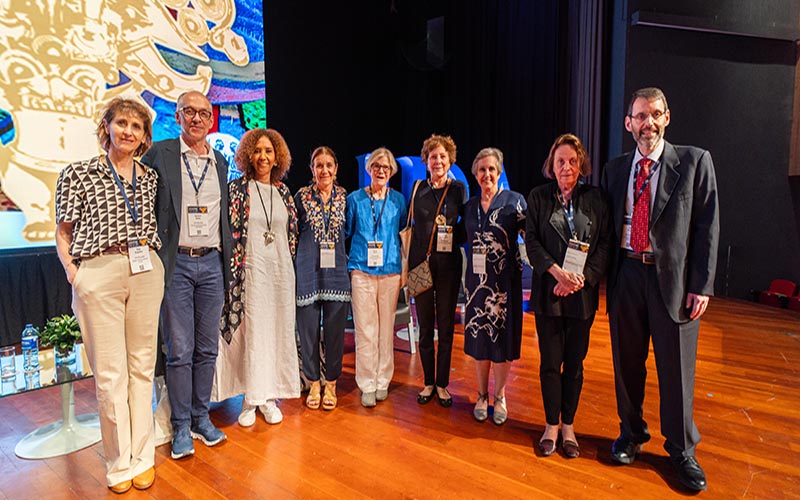 Another experience that continues to inspire me was the Asia Pacific Congress in Sydney in May 2024. At this conference the six analytic groups that are members of the Asia Pacific Confederation (Australia, China, India, Japan, Korea, and Taiwan) presented on clinical and historical matters with clear attention to psychoanalytic process, developmental theory, and issues of cultural diversity and sensitivity. Open review of past histories of social unrest and injury reflected an active mourning process alive in the room that was grounded in psychoanalytic theory. It reflected the potential of psychoanalysis to bring individual and group differences into awareness in highly constructive ways. Psychoanalysis as a foundation for intellectual advance and emotional healing was lively in a way that reminded me of the early days of psychoanalysis and Freud’s interest in serving the public as well as developing the clinical method. Psychoanalysis was again the fabric of connection between previously injured parties.
Can you share an initiative or project that you feel particularly proud of?
It is hard for me to pinpoint one initiative; there are quite a number I am excited about. One is the creation of the Prejudice, Discrimination, and Racism Committee which emerged out of a Board process of education and discussion of racism as an international phenomenon. Another important initiative was the revision of the IPA mission statement to include attention to social matters as well as scientific, educational, and clinical ones. There are so many initiatives I would like to recognise: formulating a research project to explore the differences and similarities between in-person, hybrid, and online treatment during training (Research Committee); assisting the development of new psychoanalytic study groups, provisional and component societies, and allied centres (ING); protecting our clinical patients and our profession (Confidentiality and Ethics Committees); consulting about educational issues (PEC); advocating for treatment and understanding of child, adult, individual, and group issues (COWAP, COFAP, COCAP, SGDS); promoting psychoanalytic understanding and intervention in social issues (Psa in the C&W Committees); advancing the resolution of organisational conflict internal to our Societies (IIC); attending to communications with our members and the outside world about the IPA and psychoanalysis (Communications Committee).
I would like to focus on two initiatives in particular. One is the development of the next region of the IPA, the Asia Pacific Region. As I described above, the depth of psychoanalytic thinking – clinical, scientific and social – in the region is inspiring. It has been a privilege to support the region’s further growth through a visit to Kolkata to deliver the Girindrasekhar Memorial Lecture just short of the Indian Psychoanalytic Society’s 101st anniversary in January 2023 and to work with colleagues during both the Delhi and Sydney Asia Pacific conferences in 2023 and 2024.
It is enlightening to observe how familiar theoretical frameworks take on new dimensions when colleagues from different cultural contexts discuss clinical material. A shared theoretical orientation takes on nuance related to culture that reminds one of the value in remaining humble about one’s understanding of clinical data and one’s psychoanalytic formulations. Exposure to international colleagues’ thinking supports the value of curiosity and of remaining tentative in the interpretation of another’s conscious and unconscious mind.
The second initiative I want to mention is the Presidents Meeting Process or PMP which recently became a committee of the IPA. This initiative began early in our administration as a way to build international networks among Society Presidents, enabling them to share organisational challenges, ideas, and solutions. The goals are to enrich Society Presidents’ leadership experience and form international bridges between them and between them and the IPA Board. There are currently 12 international groups. Each group selects a facilitator who meets on behalf of the group twice a year with the IPA officers to communicate what the groups are discussing and offer input to the IPA Board and to the agenda of the Presidents’ Meeting at the biennial congress. The PMP Committee will have a chair and regional co-chairs who provide continuity and leadership advice. Unlike the Society Presidents themselves whose terms are often two years and who change on differing schedules, the PMP Committee members will serve a four-year term to support ongoing discussion of leadership issues and important themes.
What have been the biggest challenges that the IPA has had to face during your tenure?
Many of the most significant challenges have been related to the state of the world and how it impacts the IPA and psychoanalysis. Although the WHO declared the Covid-19 pandemic to be over in early May 2023, large numbers of deaths continued to occur together with large-scale social disruption, economic losses and related inequities and hardship. In addition to the pandemic, IPA members experienced and continue to experience war and violence. These conflicts have disrupted both professional and personal lives, and the IPA has responded by offering support ranging from financial aid to clinical consultation. But terror and disruption of professional and personal lives have continued.
For me the biggest challenge has been polarisation within the IPA that at times mirrors the polarisation in society. It limits the ability of members to think together creatively about resolution of intractable conflict. “Intractable” does not mean impossible but it does mean very difficult. Such conflict exists related to the two wars that impact IPA members most directly, Ukraine-Russia and Israel-Hamas. Polarised views among members about the wars can reflect a defense against the painful experience of helplessness or a tribal identification that overshadows one’s psychoanalytic identity. Neither state of mind is easy to transform into an empathic response to one’s “opponent”. The challenge to retain empathy is at the heart of psychoanalytic work when aggression and regression are prominent.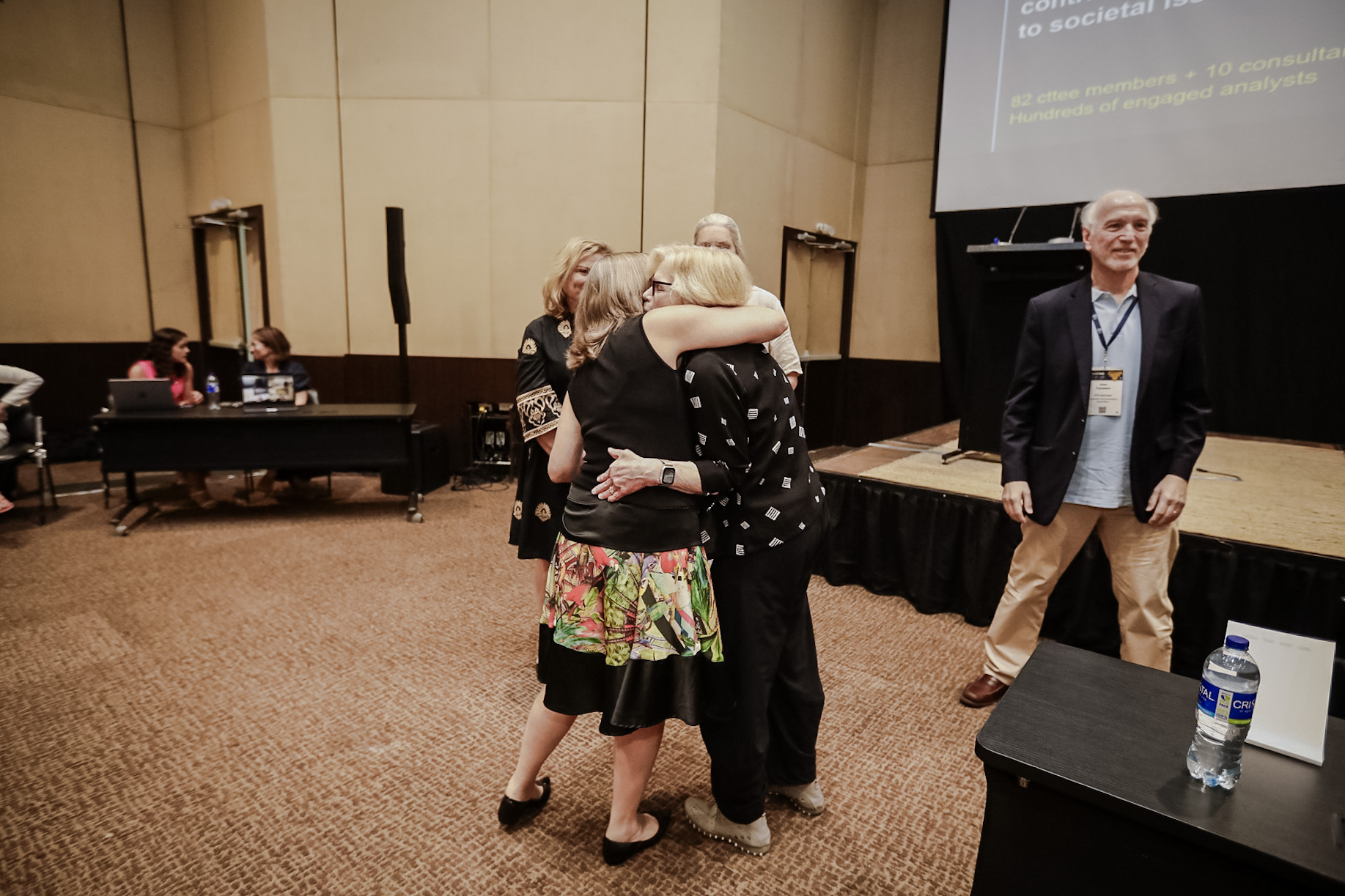
I decided to run for President with the conviction that IPA members were a vital resource in a world that already in 2018 faced increased levels of violence and populist governance. Psychoanalysts’ knowledge of human psychology and the training that prepares us to hold differences, contain intense and conflicting affects, and maintain the ability to think first rather than act represents to me a powerful force for peace in the world. We have IPA members who are using their psychoanalytic minds to accomplish important social change. Their ability to assess and articulate levels of trauma, testify about the impact of trauma, and intervene in hospitals, courtrooms, classrooms, and legislative settings is remarkable.
At the same time, we must acknowledge the limits of the profession’s ability to heal geopolitical conflict. It is an ongoing topic of discussion whether and how the IPA or committees of the IPA can make a difference in social matters. Public statements of opinion that are primarily political rather than psychoanalytic are problematic and risk violating English charity law. In this context we are challenged to move beyond public statements to introducing considered psychoanalytically-informed action.
How has the IPA evolved under your leadership?
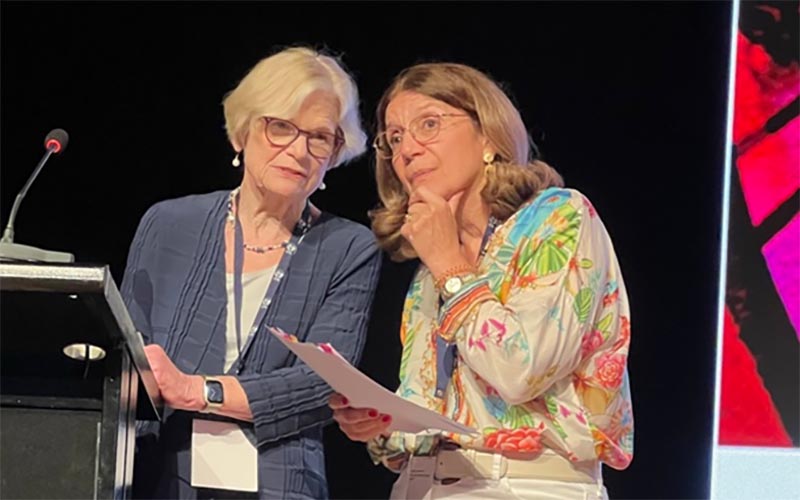 It may be that a cultural shift is underway in the direction of recognition of differences, respectful listening, and optimism about finding creative solutions to professional challenges. Ed Shapiro has written that the most important lesson from his many years as a psychoanalytic consultant to organisations is the importance of recognising how the “other side” is right. Such insight opens the door to the respectful listening required to discover useful interventions when faced with divisive processes. It interrupts an impasse that has taken on the nature of “othering” and introduces a clarity of thought about the shared problem from the point of view of the other. During my tenure we used small group discussions to augment large group discussions and to inform the Board about IPA members’ views. These meetings, similar to the one in Dresden, were constructive, informative, and welcome. They influenced policy decisions in meaningful ways. I hope such opportunities for international discussion in a variety of small, medium-sized, and large group formats will continue as spaces for thinking together across difference.
The world has changed rapidly in recent years. How has the field of psychoanalysis adapted, and what role did the IPA play in that evolution under your leadership?
It is yet to be seen whether psychoanalysis can adapt to the growth of technology and effectively influence the survival of humane – or humanised – solutions to widespread dehumanising practices enabled by social media and other technology-driven resources. Truth has become fungible in international governments, for example in the U.S. with Trump in office, and democracy is threatened. Propaganda and draconian practices similar to those in Hitler’s regime are observable. I don’t think the profession as an institution can change the geopolitical climate, but I do think psychoanalysts are prepared to intervene in every public setting they engage in to speak on behalf of humane and democratic values.
What are some of the things you have learnt about yourself, and about the IPA, during your time as President?
I have learned that my psychoanalytic identity is infused with my interest in a culture of care. I love my work as a clinical psychoanalyst, I remain optimistic about what I can do working with groups, and I wish I could live another 20 years to see what becomes of the world and how our profession has made a difference in establishing and maintaining that culture of care.
What advice would you give to the next generation of psychoanalysts?
Nurture dialogue and the very sort of listening that psychoanalytic training engrains in us. Exercise caution in “psychoanalytic” interpretations of colleagues and even public figures; they are not our patients and our data about their psychology is very limited. Have the courage to pursue your passions and find ways to share your discoveries with those who think differently.
Why do you think the biannual congress is such an important part of IPA life?
The energy of in-person, international, professional contact is infectious in the best possible way. The Congress offers a space to encounter new ideas, experience interregional nuance within shared theoretical points of view, and to form relationships that nourish both professional growth and personal connection. 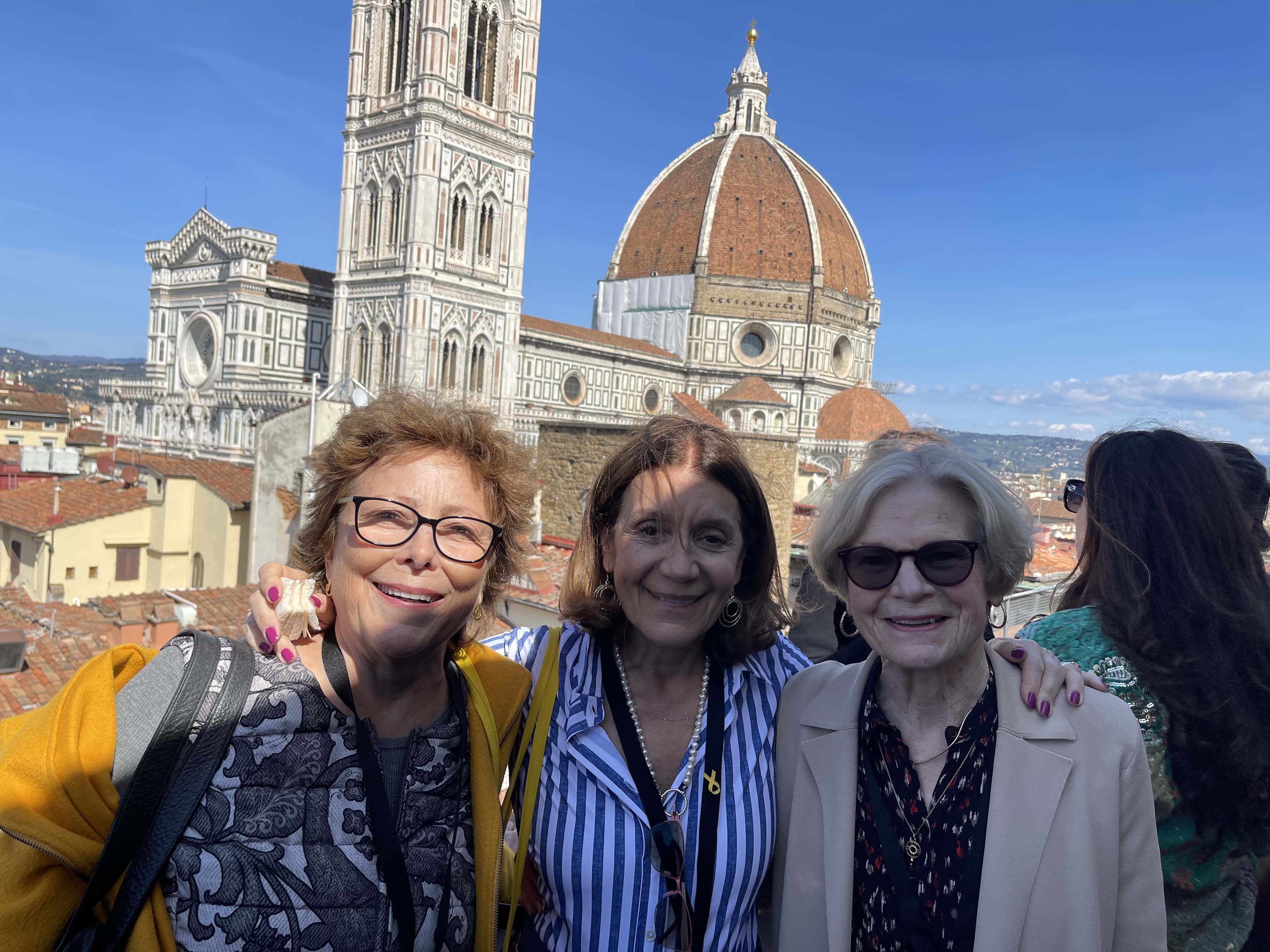
What are you most looking forward to at this year’s congress in Lisbon?
I look forward to seeing old friends, forming new friendships, and being challenged to think deeply about the four sub-themes of the Congress. They are relevant to the future of psychoanalysis. I do not relish saying goodbye to the current IPA Board. We have worked hard in difficult times and have gained a deep respect for one another, including our differences. It will be an emotional time.
You will officially handover to incoming President Heribert Blass at the Business Meeting in Lisbon; what advice would you give to Heribert and his team?
I believe the IPA is lucky to have Heribert Blass and Katy Bogliatto enter as President and Vice President. They have extensive experience of working as a team, first in the EPF and in the last two years as non-voting members of the Board. They respect and complement each other and they bring both energy and joy to their profession. They will continue to support the values of the IPA. I expect they will also introduce new initiatives that will expand the scope of psychoanalytic attention and deepen psychoanalytic understandings of clinical work and the problems of humanity. Given their intensive devotion to the profession I would advise: preserve room in your busy lives to garden (Heribert), play golf (Katy), and enjoy family and friends. It is rare that an emerging issue cannot wait a moment for your focused attention. Most of all, enjoy the privilege of leading the IPA!